


Those Green Balls in Your Plant's Soil (And Why You Shouldn't Remove Them)
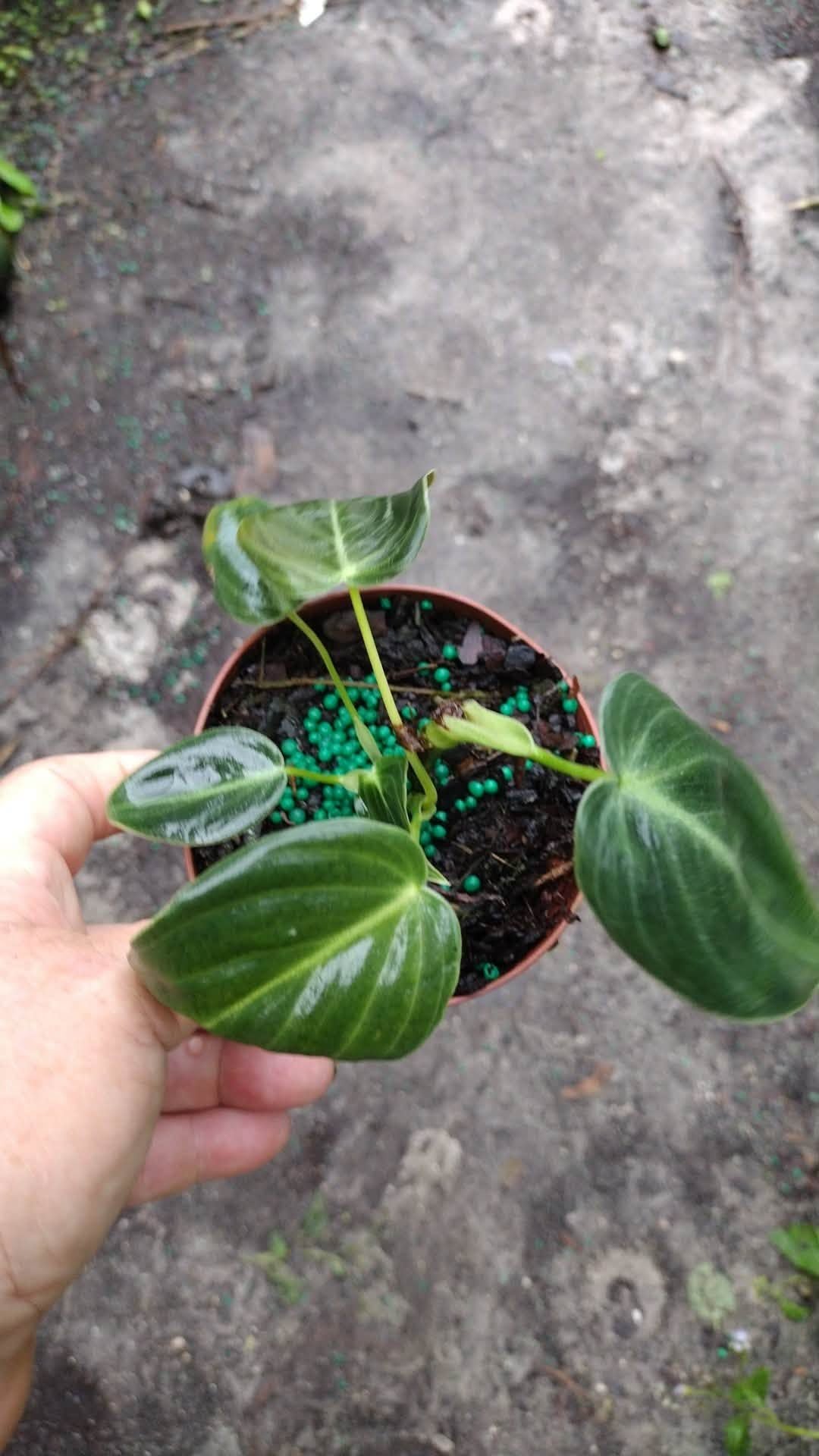
Those tiny green balls scattered through your new plant's soil are slow-release fertilizer, not insect eggs. They are called prills, and they are feeding your plant a little at a time — so leave them exactly where they are.
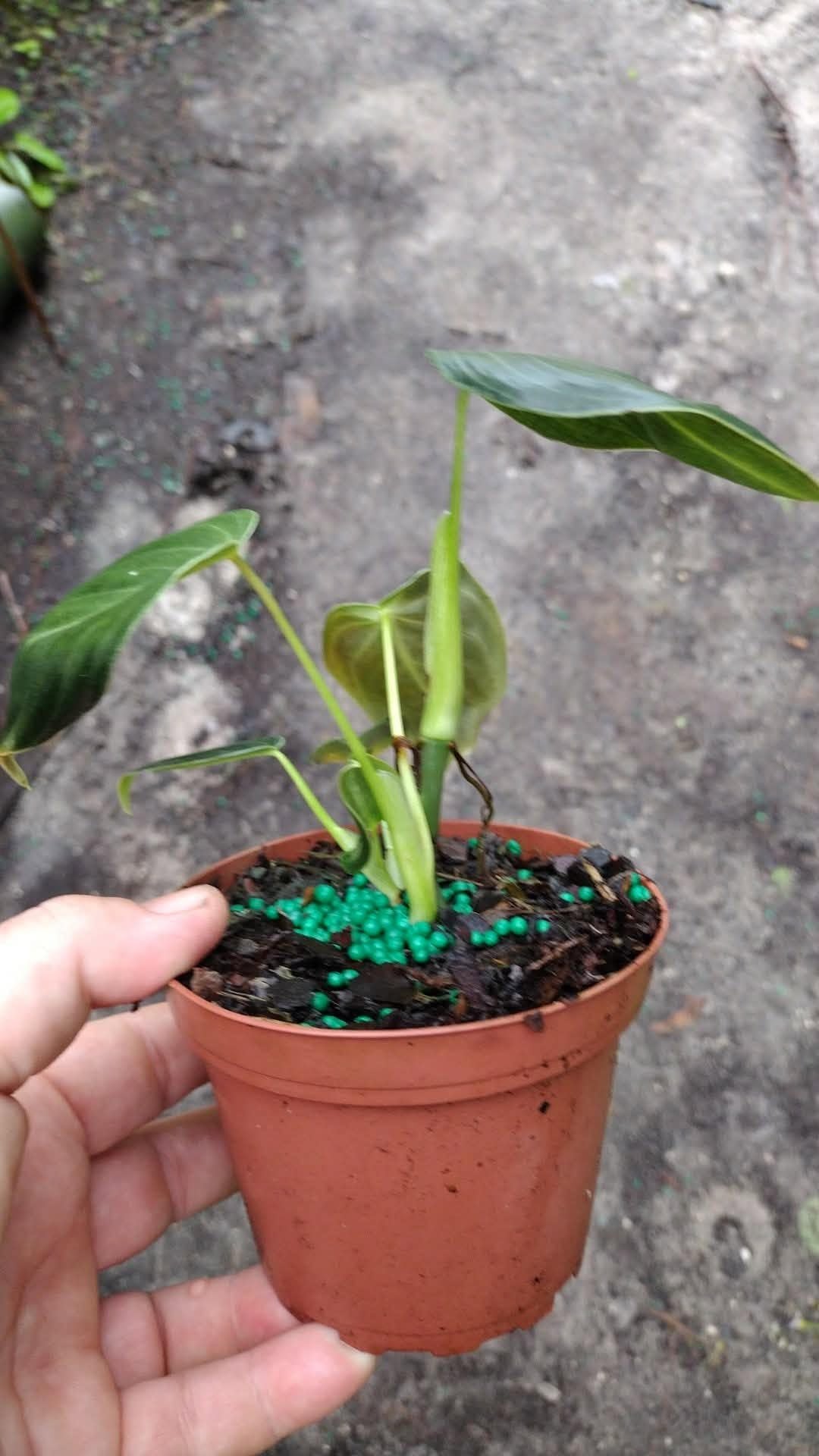
We get this question more than almost any other, usually within a day or two of delivery. It is a reasonable thing to worry about. Small, uniform spheres sitting on top of potting mix look a lot like something laid there on purpose by an insect, and the internet is full of photos of pests that genuinely do look similar.
What the prills actually are
Each ball is a hard resin shell wrapped around a core of concentrated fertilizer. Growers mix them into the potting media before a plant is potted up. Water moves through the shell, dissolves a small amount of the fertilizer inside, and carries it back out into the soil over a period of months.
Most are green or amber. Some brands use tan, grey or white. Colour tells you nothing about strength — it is just how that manufacturer makes them.
How to tell prills from insect eggs
If you are not sure what you are looking at, this is the fastest way to check.
| Fertilizer prills | Insect eggs | |
|---|---|---|
| Shape | Perfectly round, all the same size | Usually oval or irregular, uneven sizes |
| Arrangement | Scattered randomly through the mix | Clustered together, often in a corner or under a leaf |
| Texture | Hard, smooth, do not squash easily | Soft, sticky or papery |
| Location | Mixed all the way through the soil | Usually on leaf undersides, stems, or soil surface only |
| Over time | Fade, wrinkle, go hollow | Hatch, or disappear |
One more check: roll one between your fingers. A prill is hard and will crack rather than smear. If something squashes into a wet smear, it is not fertilizer, and you are looking at a pest problem instead.
How they release
The shell is not on a timer. Release is driven by moisture and temperature. Warm, evenly watered soil releases faster; a cool room in winter slows it right down. This is genuinely useful, because a plant grows faster in warmth too — so the feeding roughly tracks what the plant actually needs.
It also means the number printed on a fertilizer bag, usually three to six months, is a guide rather than a promise. A plant in a bright warm room will exhaust its prills sooner than the same plant in a cool hallway.
How to tell when they are spent
Fresh prills are firm and full. As they release, they go pale, wrinkle slightly, and eventually become hollow shells that crumble under light pressure. Empty shells do no harm — they simply sit in the mix and break down.
The practical signal is the plant, not the prills: slower new growth and paler new leaves during the growing season usually mean the feed has run out.
Should you ever remove them?
No, with one exception. If you have a pet or small child who digs in houseplant soil, the prills are worth covering rather than removing. A thin layer of pebbles, bark or sphagnum over the surface keeps them out of reach and looks tidy at the same time.
Slow-release fertilizer is not something you want eaten. It is concentrated mineral salts, and swallowing a handful can cause stomach upset. That is true of any fertilizer, and it is the same reason you would not leave a bag of plant food open on the floor.
Do not add more fertilizer while they are working
This is the mistake that actually damages plants. If you start a weekly liquid feed on top of active prills, you can stack two full feeding programmes on one root system. The result is fertilizer burn: brown, crispy leaf edges and tips, sometimes a white crust on the soil surface.
If you think you have overfed, flush the pot. Run room-temperature water slowly through the soil for a minute or two, let it drain fully, and hold off feeding for a month.
What to do once they run out
Start a diluted liquid feed during spring and summer, roughly every two to four weeks, and stop over winter when growth slows. Half the strength on the bottle is plenty for most houseplants. Alternatively, top-dress with a fresh scatter of slow-release prills once a year in spring and let them do the work again.
Either approach is fine. What matters is not doing both at once.
Why the plants we ship have them
Our nursery partners mix slow-release fertilizer into their potting media as standard practice. It means a plant carries its own food supply through packing, transit and the first weeks in your home — the exact period when it is least likely to be fed on schedule by anyone.
So if your plant arrives with green balls in the soil, that is a sign it was potted by someone who expected it to be in a box for a few days. Leave them in, water normally, and let the plant settle.
Still worried about what you are seeing?
Send us a clear photo at info@greenleafventuresllc.com. We would far rather look at a picture of fertilizer prills than have you scrape good fertilizer out of a healthy pot.
If you are building out a collection that is forgiving about feeding schedules, our easy care plants are the ones most tolerant of an irregular routine. You can also browse the full range of houseplants, or see how we pack and ship live plants in our shipping policy.